


[Review Lab] Transparency Note: We wore these rings for 30 nights. Data was cross-referenced with medical-grade pulse oximeters.
Introduction
For years, tracking your sleep meant strapping a mini-computer to your wrist. It was bulky, the screen lit up at night, and it needed charging every day.
Enter the Smart Ring. It’s passive, it’s jewelry, and according to our tests at Shape Digital, it might be more accurate than your Apple Watch.
1. The Form Factor Advantage
The finger is actually a better place to measure heart rate than the wrist. The arteries are closer to the surface.
- Comfort: You forget you are wearing it.
- Battery: The models we tested lasted 5-7 days on a single charge.
- Discretion: It looks like a wedding band, not a gadget.
2. Readiness Scores: The New Metric
What we love is the shift from “How much did I sleep?” to “How ready am I today?”
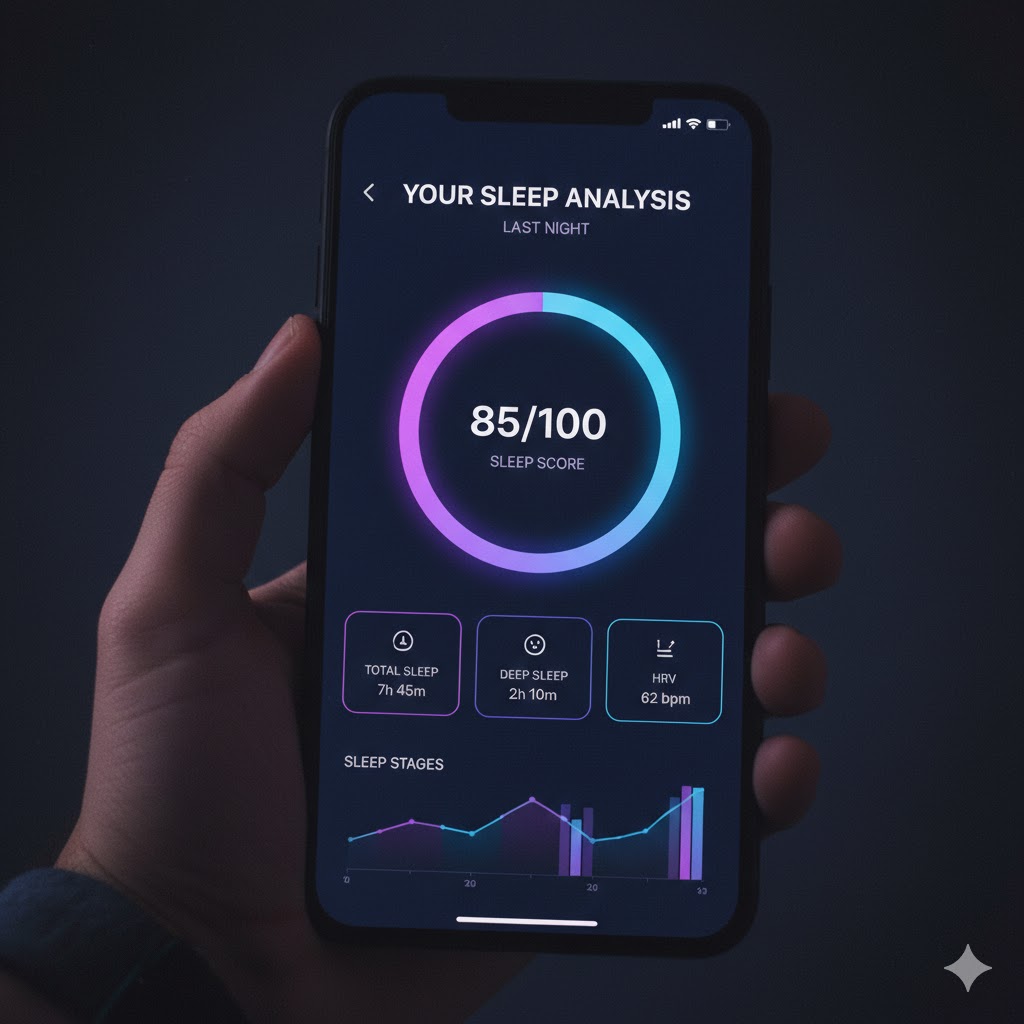
By combining Heart Rate Variability (HRV) and body temperature, these rings give you a “Readiness Score.”
- Score < 70? Take a rest day. No heavy gym sessions.
- Score > 90? Push your limits. This actionable data helps professionals avoid burnout before it happens.
Conclusion: The Future is Invisible
Technology is at its best when it disappears. Smart rings represent the future of health tracking: invisible, constant, and incredibly insightful.
