

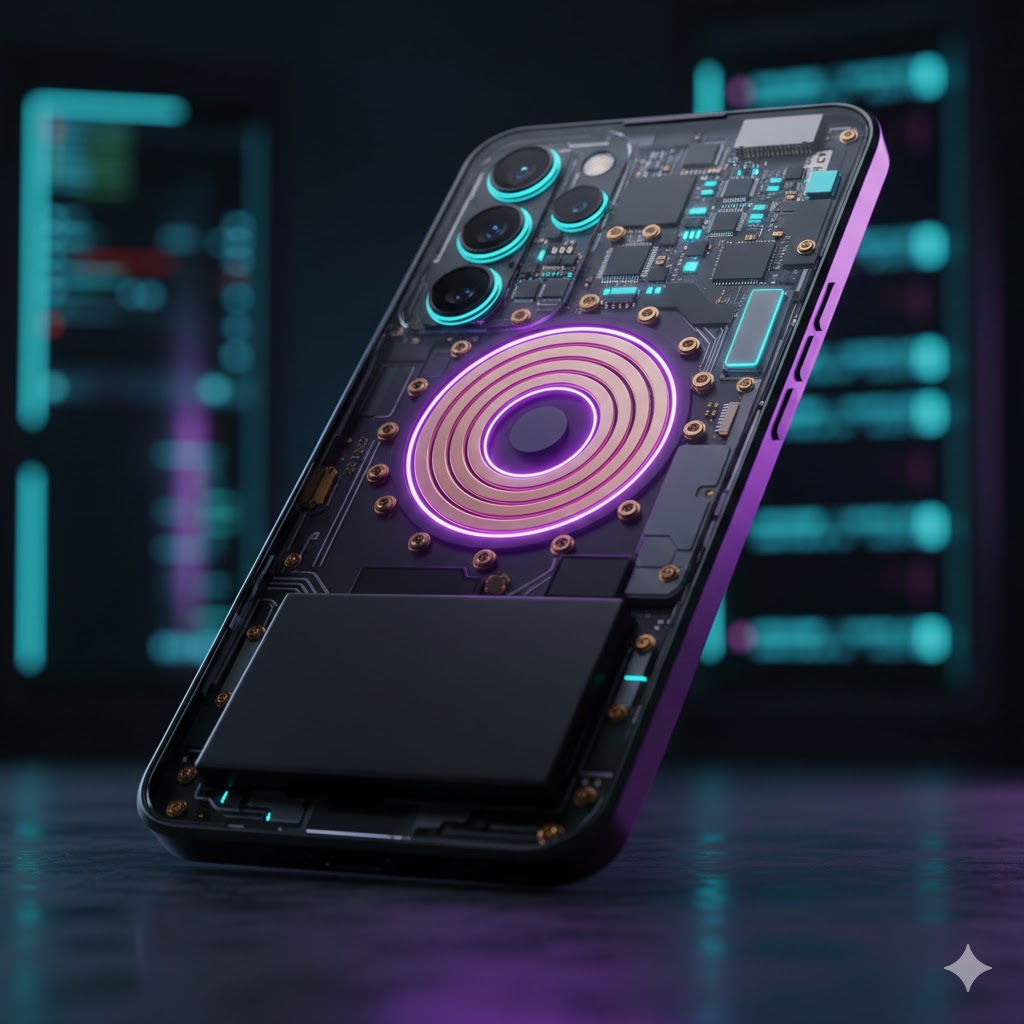
[Viral Trends Analysis] Transparency Note: At Shape Digital Media, we analyze the intersection of industrial design and consumer psychology. This report covers the “Naked Tech” movement that is currently dominating social media feeds worldwide.
Introduction: The Death of the Black Box
For the better part of two decades, consumer electronics were designed as “black boxes”—sleek, opaque, and intentionally mysterious. But by 2026, a radical shift has occurred. Led by Gen Z’s obsession with authenticity and “industrial honesty,” the most viral products on the market are those that hide nothing.
At Shape Digital, we’ve seen engagement rates for “Transparent Tech” unboxing videos outperform traditional flagship reviews by nearly 300%. The message is clear: the world wants to see the machine.
1. Engineering as Art: The Organized Internal
Transparent tech in 2026 is not just about slapping a clear plastic shell on a product (like the Gameboys of the 90s). It’s about intentional internal design.
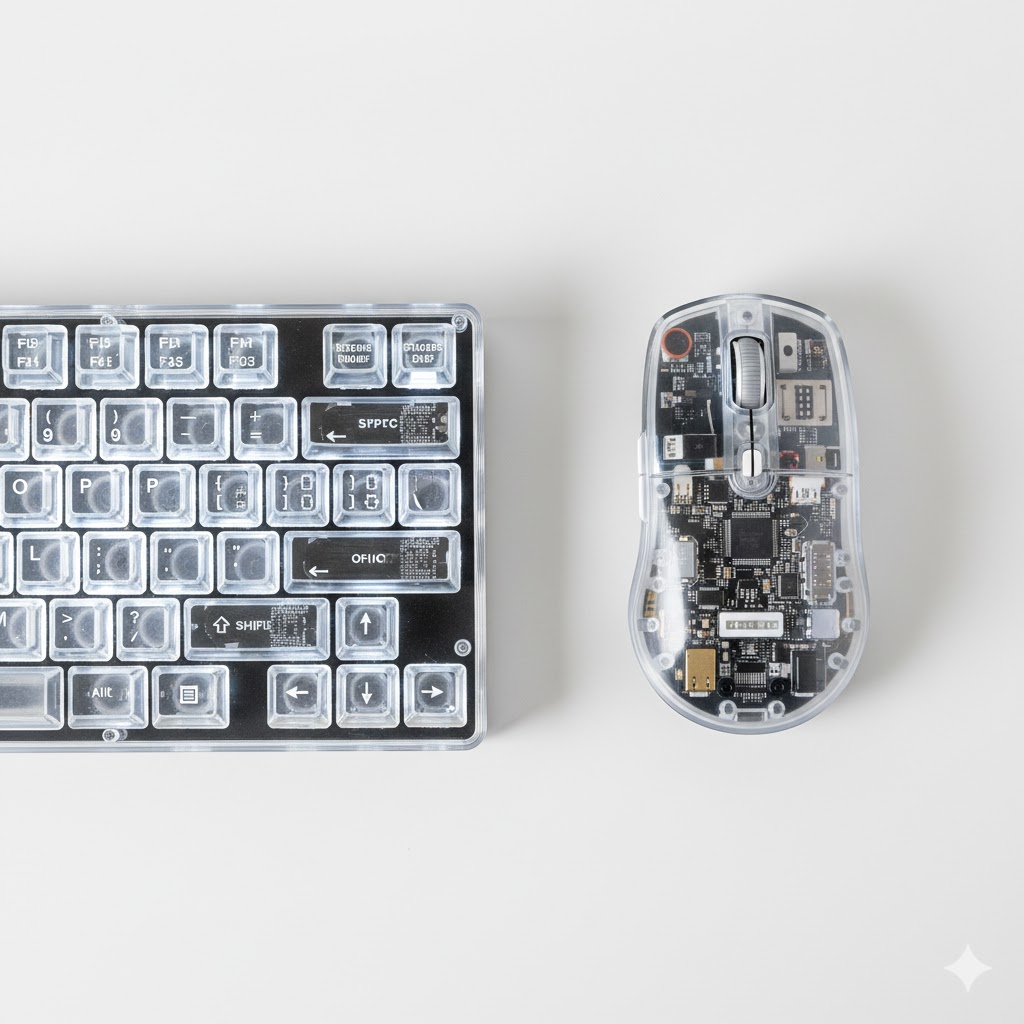
- The Organized PCB: Manufacturers are now using matte black or pure white circuit boards with gold-plated traces, knowing they will be seen.
- Component Symmetry: In 2026, the layout of a smartphone’s cooling system or a keyboard’s capacitors is treated with the same aesthetic care as the external logo.
2. Why it Goes Viral: The “Honesty” Factor
In an era of AI-generated content and “fake” filters, there is a psychological comfort in seeing the physical hardware that powers our digital lives.
- Tactile Curiosity: Seeing the mechanical switch bounce or the fan spin creates a sensory connection that an opaque device cannot provide.
- The “Lego” Effect: Transparent tech appeals to our inner child’s curiosity about how things work, turning a tool into a conversation piece.
3. The Premium Shift: Glass vs. Plastic
While 90s transparent tech was defined by cheap, scratch-prone polycarbonate, the 2026 “Clear” movement uses Chemically Strengthened Gorilla Glass and high-clarity acrylics. This makes the devices feel like high-end jewelry rather than toys. At Shape Digital, we’ve noted that the “Transparent Premium” category often commands a 15% price premium over standard models—and users are happy to pay it.
Conclusion: Transparency as a Philosophy
The “Clear” trend is more than just a visual gimmick; it’s a demand for transparency in an increasingly complex world. As we move forward into 2026, the agencies and brands that “open up” their designs—both physically and philosophically—will be the ones that capture the digital generation’s attention. At Shape Digital Media, we’re keeping our eyes on the components.
