

[Agency Strategy] Transparency Note: At Shape Digital Media, we manage cross-platform ad campaigns with a focus on Facebook and Google Ads. Our insights are based on real-world spending and optimization strategies.
Introduction
In 2026, the Facebook (Meta) advertising ecosystem has matured into an AI-first platform. Gone are the days of granular manual interest targeting. Today, success is defined by how well you feed the algorithm and how you navigate the ever-tightening privacy regulations.
For digital media agencies, the challenge is clear: how do we scale while maintaining user trust?
1. The Power of Advantage+ Campaigns
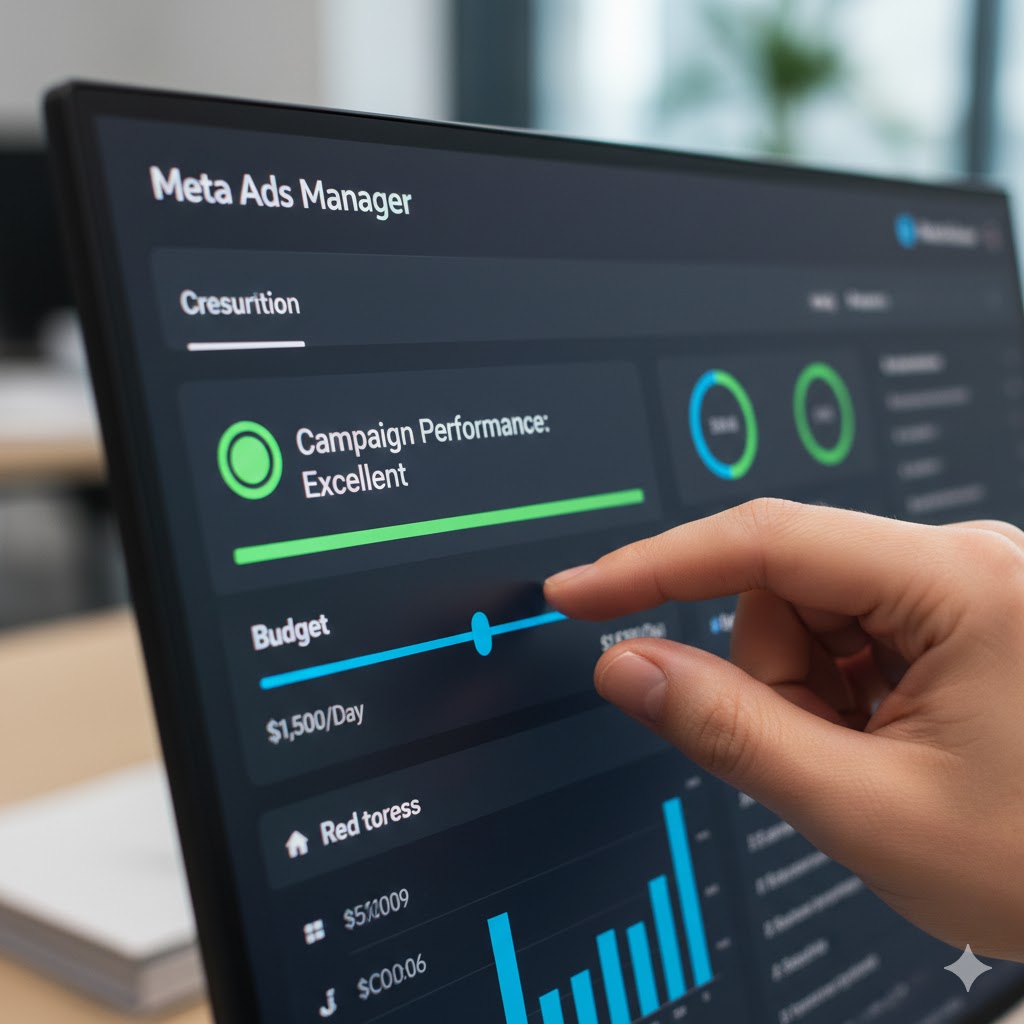
Meta’s Advantage+ has become the standard. In our testing at Shape Digital, we’ve found that giving the AI more freedom—combined with high-quality creative—consistently yields a lower CPA (Cost Per Acquisition) than manual setups.
2. Privacy-First Tracking (CAPI)
With the complete phasing out of third-party cookies, the Conversions API (CAPI) is no longer optional. To maintain data accuracy for your landing pages, a server-side tracking setup is essential to bridge the gap left by browser-level privacy blocks.
3. Creative as the New Targeting
In 2026, your “Creative” is your targeting. The AI analyzes the visuals and copy of your ads to determine which audience segment will respond best. This is why we prioritize high-converting structures like AIDA (Attention, Interest, Desire, Action) in all our campaigns.
Conclusion
Scaling on Facebook in 2026 requires a blend of technical tracking setups and creative excellence. By embracing AI and respecting privacy boundaries, you can build a sustainable advertising engine for any affiliate offer.
